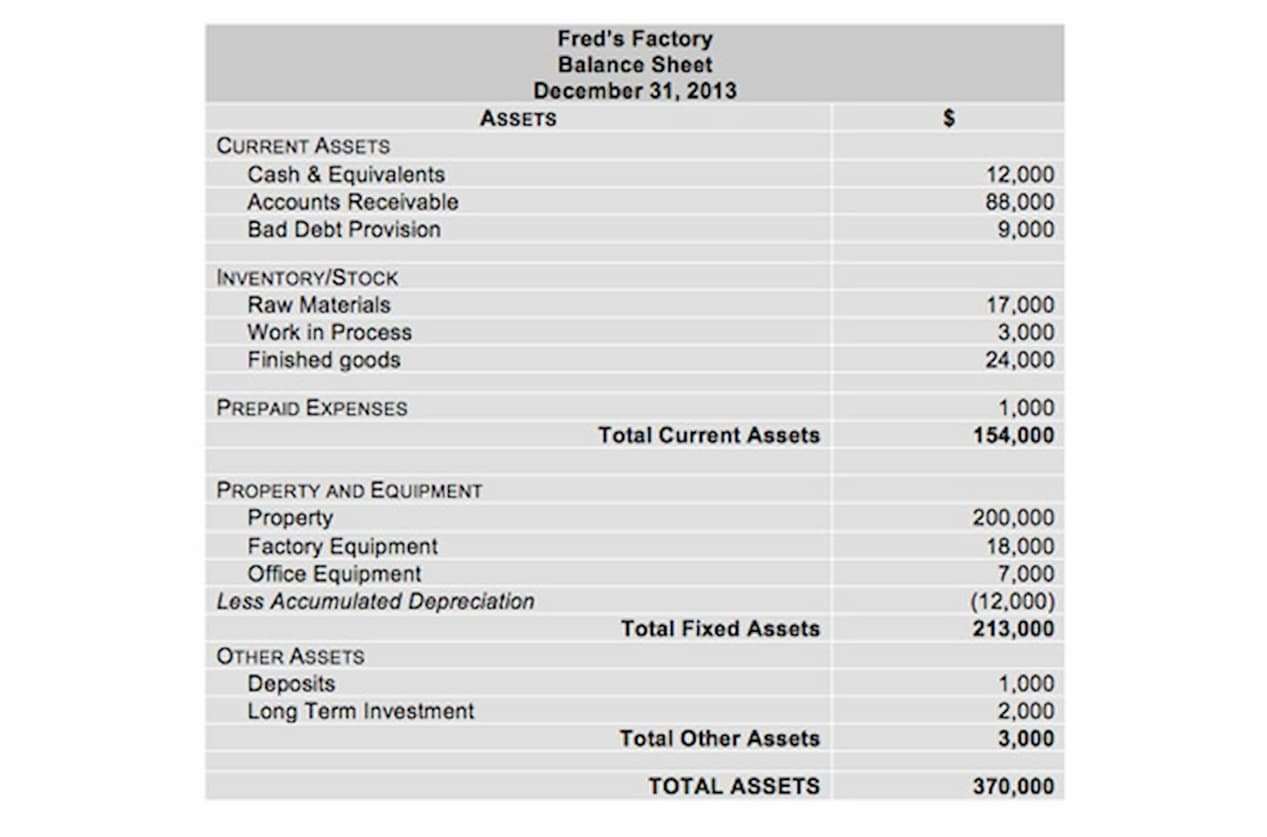
Utilize the flexibility of online learning to enhance your expertise and open doors to various bookkeeping opportunities. To become a bookkeeper, you will need to have experience with financial record-keeping, budgeting, and bookkeeping software. You should also have a good understanding of basic accounting principles, such as debits and credits, double-entry bookkeeping, and financial statements. Additionally, it is helpful to have experience with Microsoft Excel, QuickBooks, Suspense Account or other bookkeeping software.
Set Up a Chart of Accounts

An accountant can perform bookkeeping tasks, but the title also involves other responsibilities. An accountant may interpret the financial records put together by a bookkeeper to assess a company’s financial health. Becoming an accountant usually requires more training and education than bookkeeping, but it can be a good next step in your financial career. Bookkeeping is a part of the accounting process that involves recording financial transactions. This could include how a business tracks client invoices, bills, receipts, or other purchases. Bookkeeping may also involve creating financial statements and processing payroll.
Growing Your Business
- Every bookkeeping skill you need to become a bookkeeper can be found in your home.
- Becoming a certified bookkeeper typically takes 6 months to 2 years, depending on your chosen certification path.
- While bookkeepers maintain records and track transactions, accountants interpret, classify, analyze, report, and summarize this financial data.
- It also involves understanding the impact of software settings on financial results and being able to troubleshoot and resolve any software-related issues.
- Typically, small business owners start with bookkeeping by taking on basic tasks or hiring a bookkeeping professional.
- Coursework in financial statement analysis, auditing, and risk management prepares graduates for strategic decision-making.
Digital platforms provide 24/7 access to resources, allowing learners worldwide to master essential skills. Lower overhead costs and subscription-based models make these courses affordable while enabling immediate application in professional settings. Applicants need a strong foundation in mathematics and analytical reasoning alongside coursework in business or economics. A bachelor’s program covers financial accounting, managerial accounting, taxation, auditing, and business law, with electives in areas like forensic accounting and international standards.
- It’s a place to gain industry knowledge, too, by following other bookkeepers and companies catering to business professionals in similar professions.
- Actively engage in these communities to build your professional network and enhance your career prospects in bookkeeping.
- A team of experienced editors reviews this content to ensure it meets the highest standards in reporting and publishing.
- Specify and prioritize skills such as particular software, tools, and accounting methodologies you’re proficient in.
- It enables them to showcase their expertise, credibility, and potential value to employers while positioning themselves as competent and capable accounting professionals.
What is the difference between bookkeeping and accounting?
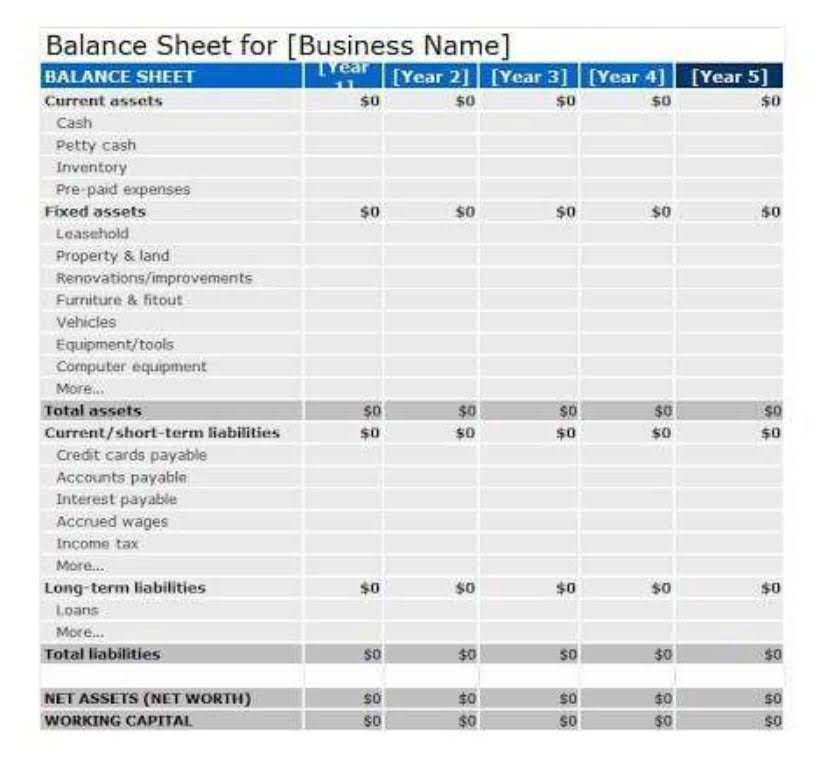
Although the BLS does not anticipate the field will grow from 2023 to 2033, you can still expect to see 174,900 job openings each year over the next decade 4. While bookkeepers can sit for the CB exam sections in any order, AIPB recommends taking part one before scheduling part two. To maintain certification, you need to earn at least 60 continuing education credits every three years. As a bookkeeper, what counts as bookkeeping experience you will verify and balance receipts, keep track of cash drawers, and check sales records. Bookkeepers also deposit money, cash checks, and ensure correct credit card transactions. Managing the general ledger is part of your daily responsibilities as a bookkeeper.

It is an essential business function and can be a worthwhile career to explore if you’re detail-oriented, organized, and trustworthy. It involves recording, organizing, and managing financial transactions and information. Bookkeeping is crucial for businesses trial balance to keep track of their financial health, make informed decisions, and comply with tax laws. By implementing bookkeeping best practices, businesses can benefit from improved financial management, better decision making, tax savings, and easier audits. An accounting clerk is responsible for assisting with bookkeeping and accounting tasks, such as recording financial transactions, reconciling accounts, and producing financial reports.